
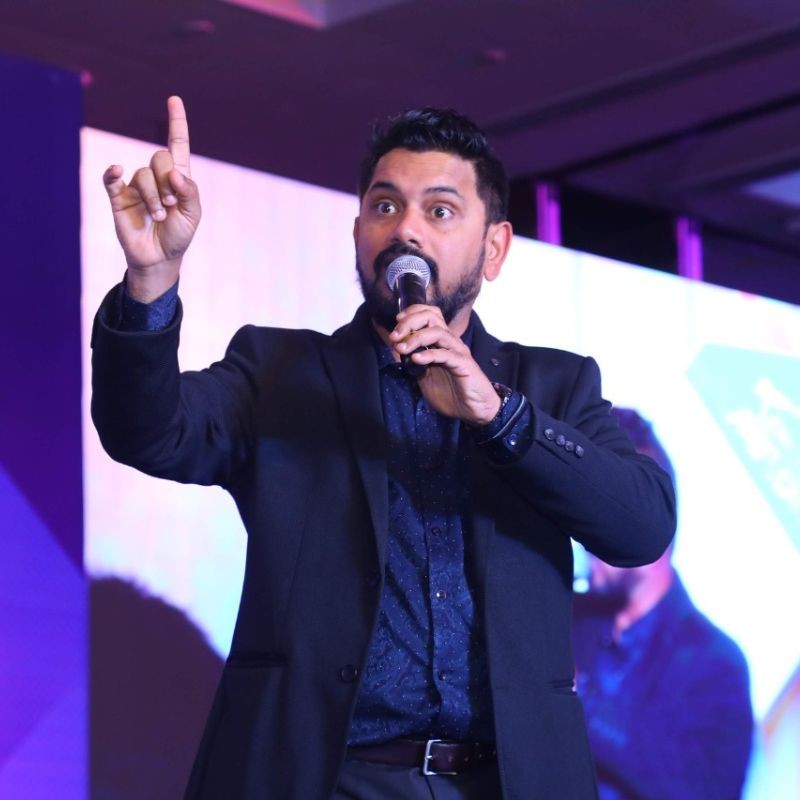
Dyu DCunha
As an Event Producer and Creative Partner, Dyu blends creative thinking with on-ground expertise to deliver events that feel polished, personal, and full of energy. He works closely with agencies and organisations, acting as an extension of their team.
Executing MICE Events in Australia: What Experience Teaches you on the Ground
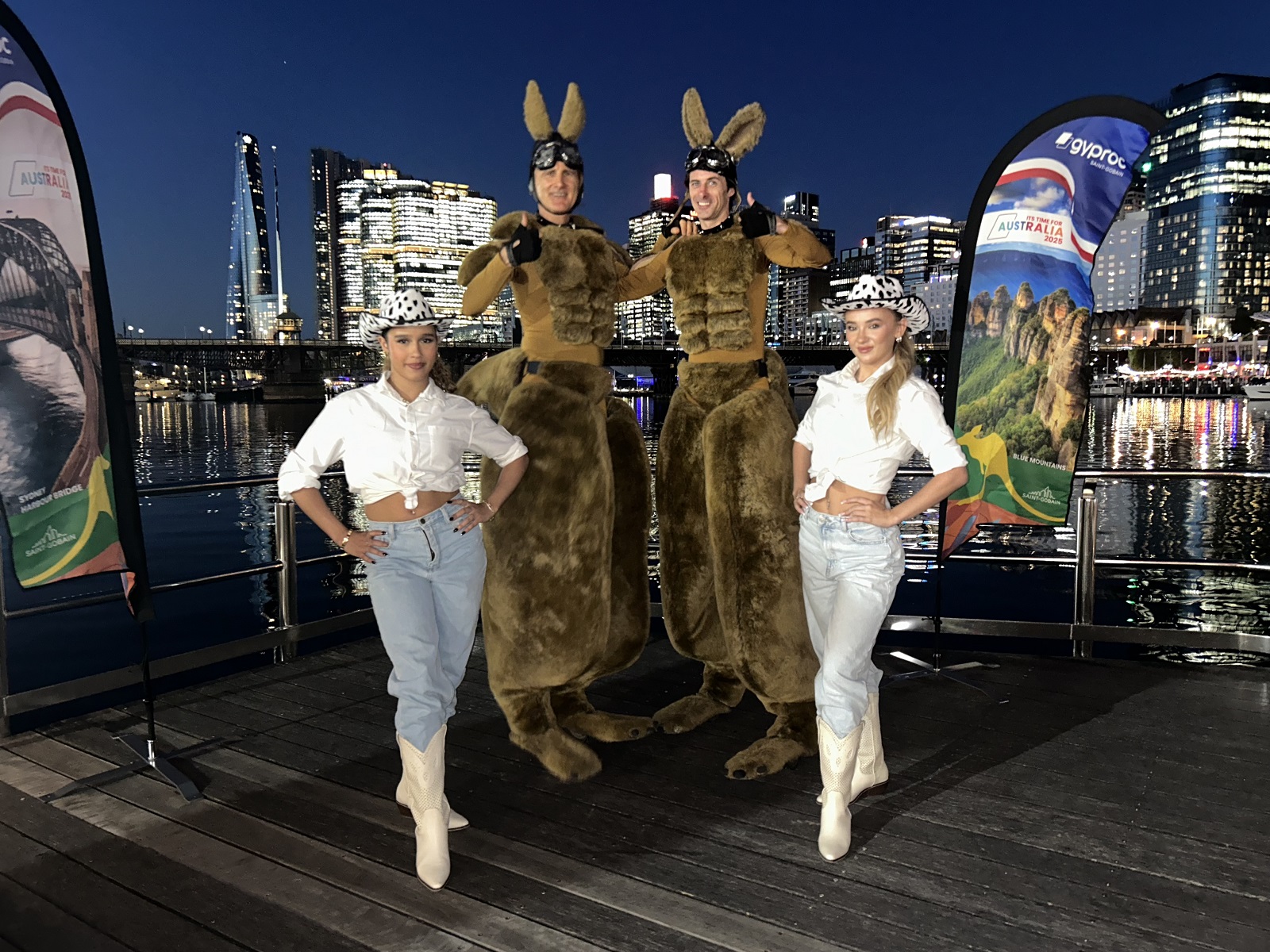
TL;DR : Australia is once again a strong destination for MICE events, but executing them well requires more than a good plan on paper. Labour costs, venue realities, travel rhythms, technical standards, and local working norms all matter. The difference between a good event and a seamless one often comes down to early conversations, realistic budgeting, on-ground knowledge, and planning that aligns with how events actually operate in Australia.
Following COVID, over the last couple of years, Australia has once again become a preferred destination for Meetings, Incentives, Conferences and Exhibitions (MICE) events and it’s not hard to see why.
From world-class venues and iconic locations to experiences that blend business with adventure, Australia offers incredible scope to bring MICE programs to life. You could be hosting a corporate event at the Sydney Cricket Ground (SCG), taking delegates jet skiing on the Gold Coast, or spending an afternoon at a winery in and around Melbourne.
Over the last two years, I’ve worked closely with international event agencies, corporates, and travel companies acting as their on-ground partner in Australia to help execute these experiences. And while every event is different, a few consistent lessons come up every single time.
- Think beyond the spreadsheet
Very often, I receive briefs requesting costs for different elements of an event in Australia, without clarity on audience numbers, e. the objective of the event, or the outcome the client is trying to achieve. Those details matter more than one realises. Audience size alone can significantly change how an event is scoped, costed and delivered.
This is also where working with an on-ground partner adds real value. Once the basics are clear, you can start building on the ideas, refining concepts, offering alternatives, and finding options that align with both the budget and the intended outcome. That process works best when there is an initial virtual conversation to talk through the event, the scope of work, and expectations, before everything is pushed straight into a cost sheet.
While on an Excel sheet, everything could look clean and controlled. On the ground, reality is more layered.
Labour costs in Australia are significantly higher than in many parts of Asia or the Indian subcontinent. Manpower is often charged by the hour. That changes how you budget and how you plan. Most excel sheets I receive do not account for this element at all.
If you’re booking photographers, artists, or technical crew, you need to think carefully about call times, potential delays, and realistic usage. An artist waiting three hours to perform for five minutes isn’t unusual if planning hasn’t accounted for how the day actually unfolds.
This is where local experience matters , understanding how to manage schedules, expectations, and last-minute changes so the event continues to run smoothly, even when things shift.
- Know your venues properly
It sounds obvious, but this is where many plans start to unravel.
I’ve seen very detailed plans come through recommending venues and layouts that simply won’t work once you factor in access, restrictions, or the way the venue operates on the ground. What looks perfect on paper often needs reworking once the venue is properly understood. Spaces feel larger or smaller than expected. Access points aren’t where you assumed. Set-ups take longer. Restrictions sometimes only become clear once you start engaging with venue teams in detail.
You also need to know your bump-in and bump-out times, and what flexibility (or lack of it) exists at each venue. This is another major factor that directly impacts costs for technical setups. Venues may charge additional fees for extended bump-in or bump-out durations, which can influence decisions around the scale of production.
It’s also important not to assume inclusions. A podium, for example, may not be part of the venue hire and could be a separate cost. A good assumption to work with is that everything is charged for. What comes at no cost in your home country may not be free in Australia.
Having on-ground knowledge early changes everything. It allows you to plan realistically from the beginning, set the right expectations with your clients, and design elements that work within both the venue and the budget instead of scrambling to fix things at the last minute. On ground partners can also leverage relationships and economies of scale that aren’t always visible from offshore.
- Respect the rhythm of the day
When groups are travelling, it’s tempting to maximise every hour. You want to fit everything in, sightseeing, team-building, engagement activities, networking, shopping, evening events and gala nights.
But travel times matter. Fatigue needs to be considered. And most people value some downtime, even if they don’t always say it upfront. e Group dynamics also play a role, whether people tend to run on time, whether delays are likely, and how much buffer needs to be built into the day.
I’ve seen days packed so tightly that guests arrive back from daytime activities exhausted, just before a key evening event. The result? Delays, slower energy in the room, and programs running behind because people simply need time to reset.
A well-executed MICE program builds in breathing space. Sometimes that quiet hour does more for the success of an evening event than squeezing in one extra activity.
- Sweat the technical details
This is where many international events stumble.
Banner sizes, stage dimensions, rigging norms, and health and safety requirements for raised platforms can differ significantly from country to country. What’s standard in one country may not apply in Australia. In many cases, opting for standard Australian sizes is also more cost-effective, while custom sizing can drive costs up quickly.
Even terminology matters. What’s commonly called sunboard in India is referred to as foam board in Australia. Similarly, what many refer to as a podium is typically called a lectern here. These small differences can create confusion if not accounted for early.
Then there are the practical questions people forget to ask:
- What happens to banners, promotional material, event wastage or locally produced materials after the event?
- Have you budgeted for cleaning, especially at venues like the SCG and who is responsible for it?
- Can items be disposed on-site, or are there strict disposal regulations to follow?
Production details matter too.
- If there are delays, who is communicating with the artists?
- Are artists, speakers, or high-profile guests being properly looked after backstage while they wait?
- Is the event content aligned and rehearsed with the local technical team?
- Will the audience connect with the chosen performers? Is there a balance between novelty, wow factor, and familiarity?
Even decisions like whether to fly in a compere or a videographer or hire locally can have a significant impact on both cost and flow.
Another factor often overlooked is timing. Australia values its weekends. Many printers, suppliers, and shops are closed on Saturdays and/ or Sundays, or operate at premium rates. Staff wages are also higher on weekends. If your event or delivery timelines fall over a weekend, this needs to be factored into both planning and budgeting from the start.
Bringing it all together
Event execution doesn’t work like ordering off a menu. Every decision affects the next one.
MICE events in Australia work best when they’re thought through end-to-end, with structure, local understanding, and enough flexibility to handle the unexpected.
An event partner once asked me, “I’ve heard it’s very difficult to do events in Australia — is that true?”
My answer was simple: the way events are planned and executed in Australia is different, but it isn’t difficult.
All it takes is an understanding of the events landscape that operates here. My role as an on-ground partner is to help teams navigate that landscape and manage every aspect of execution in a smooth, seamless way. It only feels difficult when planning isn’t aligned to how things actually work on the ground.
When that alignment is in place, the experience feels seamless for the client and effortless for the audience. That’s what makes it an Aussome Experience.